
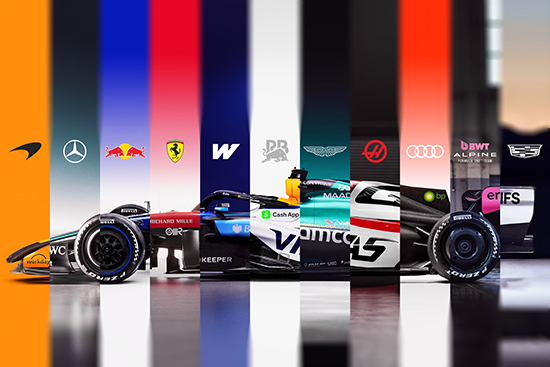
The 2026 Formula 1 season brings a brand-new set of regulations and a new generation of cars.
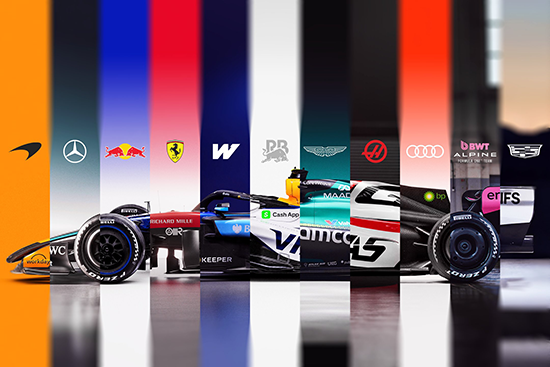
The sport embraces 50 per cent electrification, fully sustainable fuels, and active aerodynamics. The cars lost some weight and got smaller, but not enough. Audi took over from Sauber, and an eleventh team will join the grid: Cadillac.
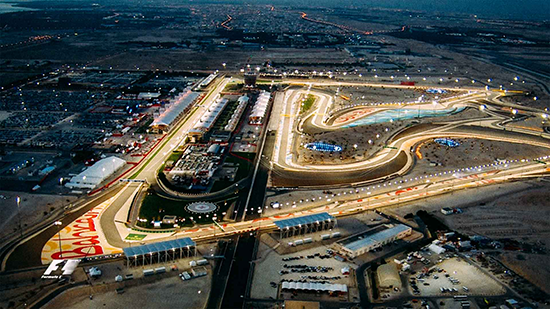
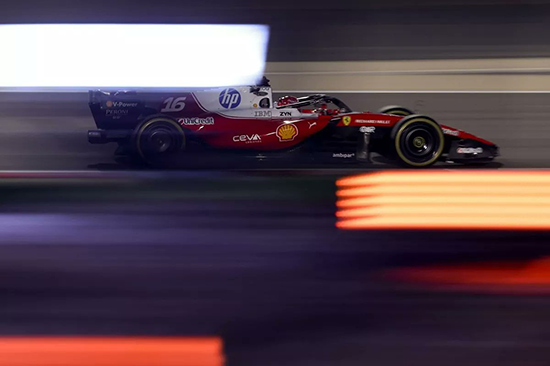
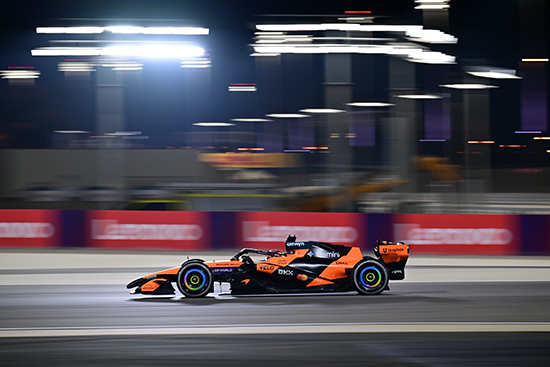
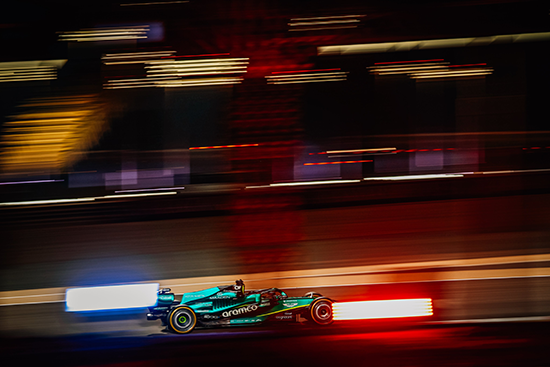
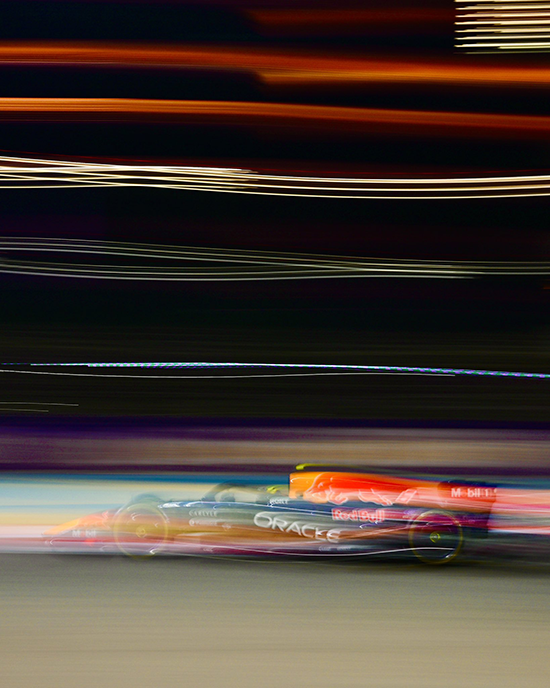
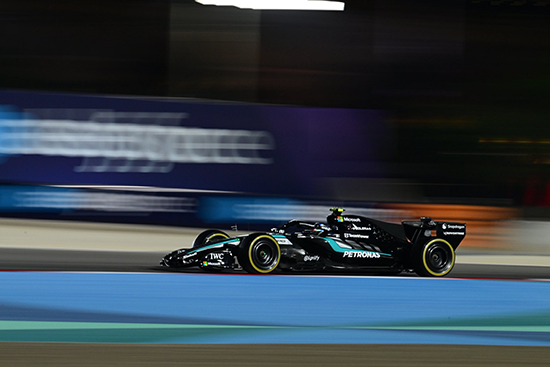
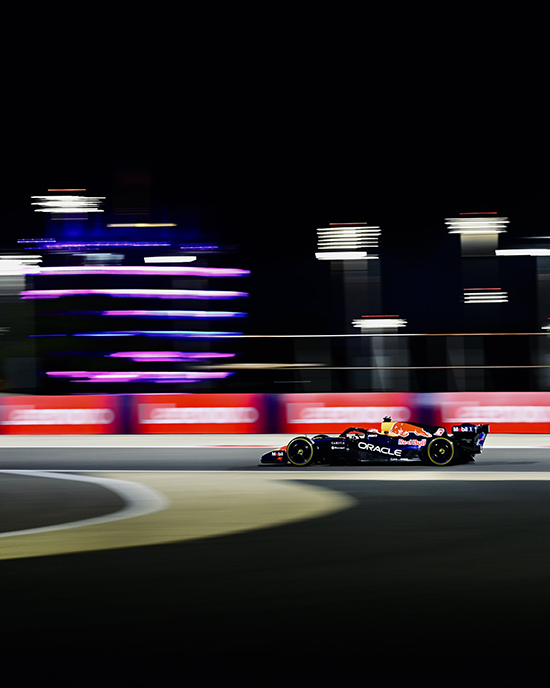
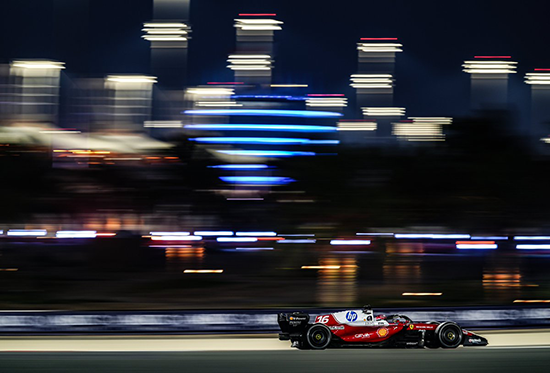
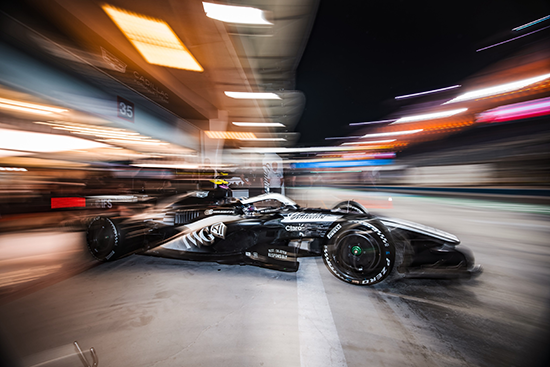
After a couple of launch events and a pretty much concealed shakedown event in Spain, the first official pre-season testing in Bahrain revealed the actual cars.
Your pennies for my thoughts?
Political correctness, hidden interests and retarded propaganda killed Formula One, probably irrecoverably.
Currently, engineers build cars for engineers to drive. Instead of driving as fast as possible and being about hard racing, Formula One is all about saving tyres, saving fuel, saving energy, saving battery and saving the f_cking planet. Strategy beats talent, and data is more relevant than courage and driving skills. It is overwhelmingly disappointing. I bet if Ayrton Senna were still around, he would piss into the fuel tank and leave.
Not to mention that the whole “net zero carbon footprint” is nothing but a joke as long as most of these guys are travelling around the world with private jets and causing more pollution at one event than all the twenty-two cars at all the races, perhaps in a decade. So, once again, human hypocrisy beats common sense.
As it stands, Formula One has become a hybrid formula focused on crisis management. Hamilton called the new cards “ridiculously complex” and stated that they are slower than GP2 cars.
Max Verstappen also commented that, “It doesn’t feel like racing. It’s like Formula E on steroids, and anti-racing.”
Fernando Alonso, even more cynical, says that “We are going 50 km/h slower to save energy,” and “The chief can drive the car at turn 12 at that speed.”
Sure, it is not over till it’s over, but it doesn’t look very rosy for the future of the sport.
If anyone still wants to save Formula One, give these guys powerful engines, high-octane fuel, durable tyres, and let them race the s*it out of these cars.
Otherwise, Formula One will only become a boring extension of a cheesy Netflix pseudo-documentary.
At the end of the final testing day, the FIA carried out a standing start with 7 cars, and it was an alarming disaster. Four cars missed the start, creating dangerous chaos.
The key issue that has become apparent is that the changes to the power unit architecture for 2026 mean drivers take far longer to get their cars into the ideal race-start configuration.
This is because the MGU-H has been removed from the 1.6-litre V6 hybrids, an electric motor that helped spool up the turbocharger in conjunction with the internal combustion engine, covering the turbo lag across the lower rev range until the MGU-K played its part.
Without it, the internal combustion engine and turbocharger cover the early phase of the start process, giving the teams less control over the inertia of the turbo and keeping the revs where they need them until the MGU-K kicks in.
It takes 10 to 15 seconds to build turbo boost before dropping the clutch, which seems like an eternity.
On top of that, the optimal conditions for each driver vary, with Oliver Bearman revealing that there are really only “milliseconds” between being too early or too late, making consistent starts difficult.
If we can make something from bad to worse, we will definitely do it.
While performance-wise it is nearly impossible to draw any conclusion, the reliability of the new cars and power units is impressive.
Number of laps completed by each team:
McLaren – 422
Williams – 422
Ferrari – 421
Haas – 390
Audi – 354
Red Bull – 343
Racing Bulls – 327
Cadillac – 320
Alpine – 318
Mercedes – 282
Aston Martin – 206
Fastest lap times per team:
Mercedes – 1:33.669
Ferrari – 1:34.209 (+0.540s)
McLaren – 1:34.549 (+0.880s)
Red Bull – 1:34.788 (+1.119s)
Haas – 1:35.394 (+1.725s)
Alpine – 1:35.806 (+2.137s)
Audi – 1:36.291 (+2.622s)
Williams – 1:36.793 (+3.124s)
Racing Bulls – 1:36.808 (+3.139s)
Cadillac – 1:36.824 (+3.155s)
Aston Martin – 1:38.165 (+4.496s)
We will know a little bit more next week after the second pre-season testing.
#F1 #F12026 #Bahrain